

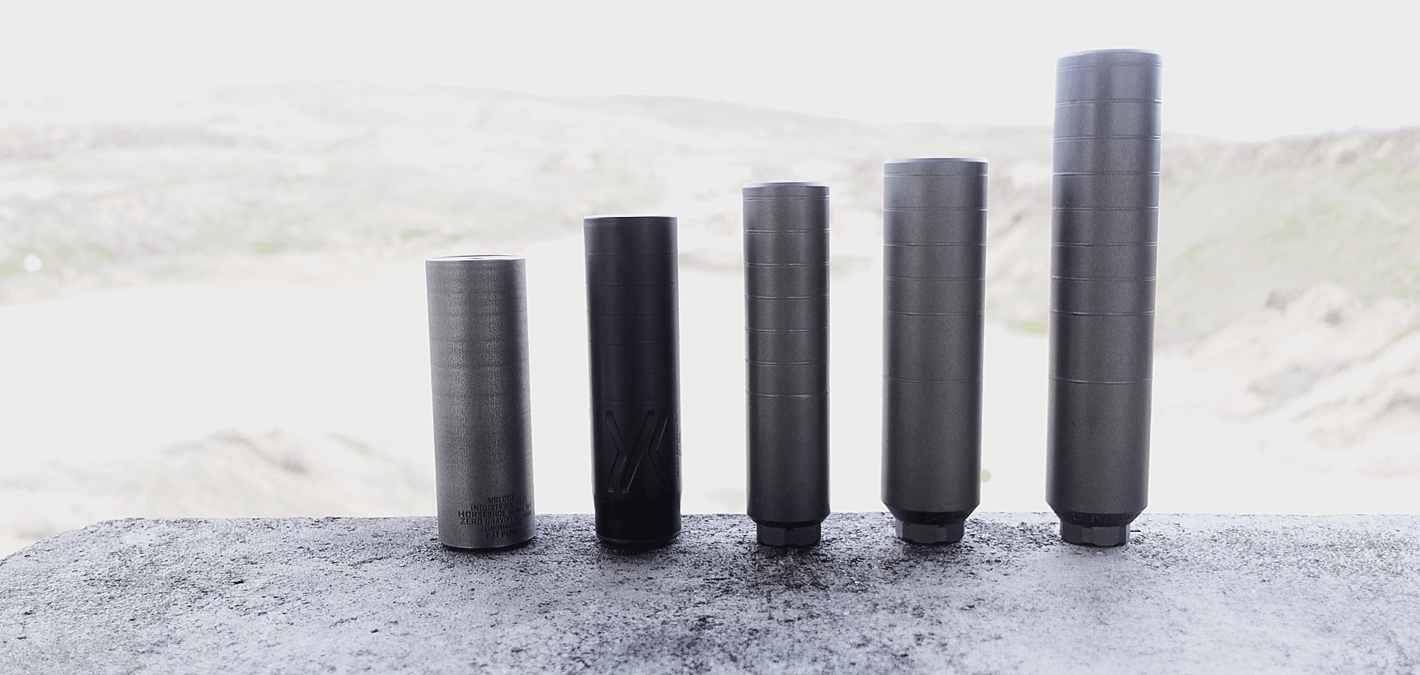
Suppressors are growing wildly in popularity in the hunting world, and for good reason. But what makes up the best suppressor for hunting, and what are you looking for in a hunting suppressor? Not only do they reduce recoil of your favorite hunting rifle, they often-times give you the opportunity for follow-up shots that otherwise wouldn’t exist because the animal doesn’t spook to the next county after one shot. With that in mind, we set out to test a handful of hunting suppressors to see how they affected our hunting rifles, and if, in the end, they are worth the price tag, steep as it is.
For this review, we wanted to help you find the best suppressor for hunting and focus on the real-world effects of hunting with a suppressor, along with how they performed. Full disclaimer here: you’ll certainly be able to find a more technical suppressor review, but that’s not our goal. Our goal here is to assess how these 5 suppressors affect the average hunter in hunting situations. We’ll still get into plenty of technical details, but at the end of the day, we care about performance in the field—and that’s what we focused on for this review.
Because suppressors are built to serve a few primary functions—sound suppression and recoil reduction—our primary testing points were:
- Noise suppression
- Point of impact (POI) shift
- Effect on accuracy/shot group size
- Recoil reduction
- Total weight added
- Total length/size
Why Hunt with a Suppressor?
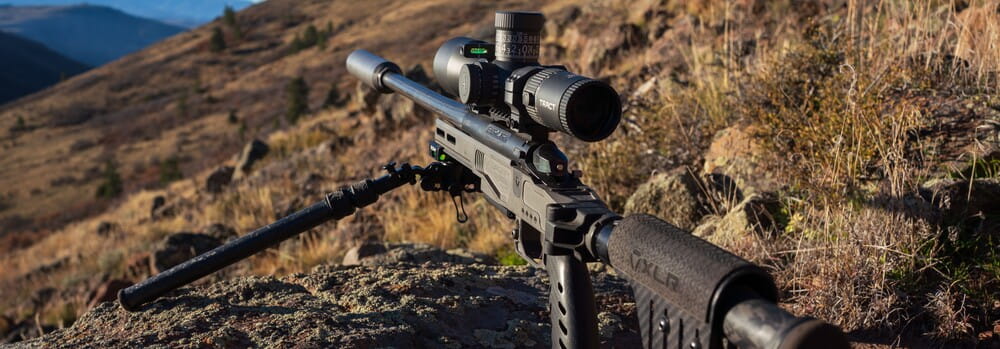
Before diving into this comparison to find the best suppressor among this group, it’s worth highlighting why suppressors are a game-changer for hunters. While I was initially in the camp of them just being hype, after spending the last several years hunting suppressed, I’m all in, and here’s why:
- Less Game Spooked: Suppressors dramatically reduce the audible report of a rifle shot. In real-world testing, animals downrange—especially those beyond the shooter’s immediate target—are far less likely to bolt after a suppressed shot. This gives hunters a huge edge in areas with multiple tags or dense game populations.
- Improved Follow-Up Shot Opportunities: A quieter shot and reduced recoil mean the animal is less likely to spook, and it’s easier to spot your own impacts while staying on target. That translates to faster, more accurate follow-up shot opportunities – critical when you’re working against distance, wind, or moving game.
- No Fuss with Ear Protection: In the field, fumbling with hearing protection can cost you time – or the shot altogether. A quality suppressor allows you to shoot without hearing protection (in many cases), allowing you to more easily communicate with your hunting partner. This can be critical when helping kids get set up, giving your buddy wind/elevation calls, or directing them into a follow-up shot.
The cost of a suppressor along with the added length to your rifle, are primary reasons NOT to take a suppressor hunting, but their ability to help you communicate with your hunting buddies if needed to put a quality shot on an animal, as well as the potential to have a follow-up shot if needed make such a massive difference in the field that I’ve found that hunting without a suppressor is almost not an option anymore.
Make sure to check out our other gear reviews and the Backwoods Pursuit YouTube Channel to help you decide what gear will help you stay out in the field longer!
My personal results just this last year alone are evidence enough that you don’t even need to find the “best suppressor” for it to provide more follow-up shot opportunities, and I’ve had similar real-world hunting results with each of these that we tested, even though some are quieter than others. Simply put, they are significantly less likely to spook other game in the area, provide a better ability to communicate with the shooter (especially nice when helping your kids get set up for a shot), and give you some recoil reduction that aids in putting a better shot on the animal.
Downsides of Hunting with a Suppressor
While suppressors offer clear advantages, they’re not without tradeoffs, even if you were to find the best suppressor ever made. Here’s what to consider before making one part of your kit:

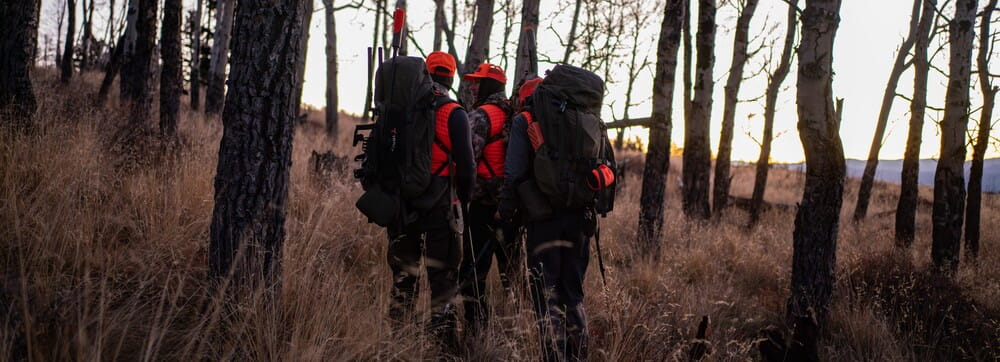
- Added Length: Even a short suppressor like the Airlock Zero Gravity adds noticeable length to your barrel. On a hunting rifle, this can make maneuvering in tight timber, blinds, or while carrying a pack more difficult—especially with longer options like the Gunwerks 8IGHT Ti.
- Shifts in Rifle Balance: The added mass at the muzzle can affect how a rifle handles, particularly if you’re used to lightweight setups. This is less of an issue with the titanium models we tested, but it’s still something to account for.
- Heat Retention: Suppressors trap heat. During extended shooting (zeroing, range days, long shot strings), the can may get extremely hot and cause mirage in optics or pose a burn hazard. It’s a non-issue in hunting scenarios, but don’t grab a hot suppressor or throw it in your pack right away.
- Threading & Compatibility: You’ll need a threaded muzzle. Not all factory barrels are ready to go. And if you’re swapping between rifles, a consistent mounting system becomes critical.
- Legal and Regulatory Hassle: Suppressors are heavily regulated. The ATF wait times and paperwork requirements are a barrier for many hunters. Depending on where you live, hunting with a suppressor may be restricted or outright banned.
- Point of Impact Shift & Load Sensitivity: A suppressor will likely alter your barrel’s harmonics and its response to a particular load, resulting in a point of impact shift—sometimes vertical, sometimes horizontal, and sometimes both. While the shift is often consistent and manageable, handloaders may need to tweak their powder charge, seating depth, or even bullet choice to restore peak accuracy. What shot ½ MOA without a suppressor may need fine-tuning to shoot that well suppressed. I’ve often found that suppressors tend to open up a once good shooting load, so if you’ve stocked up on ammo that currently shoots well, be prepared to make a change.
Bottom line: Even the best suppressors are not plug-and-play for every setup. They require some adaptation in terms of gear, handling, and tuning. But if you’re willing to work around those limitations, the benefits in the field are undeniable.
5 Hunting Suppressors In This Review – Best Suppressor For Hunting
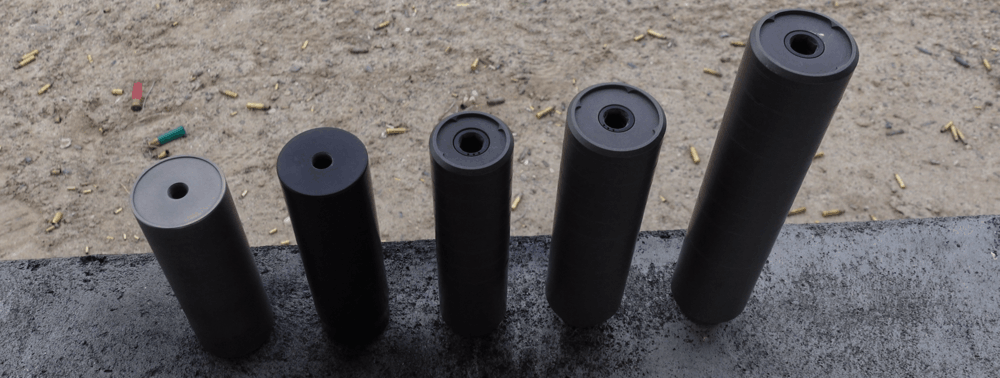
There are a TON of excellent suppressors on the market, and the market is exploding with new suppressors, but finding the best suppressor for your specific uses and needs isn’t quite as easy as throwing a dart. Because there is no practical way to compare all the hunting suppressors on the market, we compared the ones we had on hand and have been using:
- Gunwerks 6ix Ti
- Banish Backcountry
- Airlock Industries Zero Gravity 6.5
- Gunwerks 6ix+ Ti
- Gunwerks 8ight Ti
All of these hunting suppressors are the titanium models.
Specs Of Each Suppressor – Best Suppressor By the Specs
When selecting the best suppressor for hunting purposes, some things matter a lot in addition to how much it reduces noise. Weight, recoil reduction, point of impact shift once you’ve installed the suppressor, and how much length it adds to your barrel are all very important factors to consider. Here’s a short comparison of the raw specs of the five suppressors we tested in this review.
| Banish Backcountry | Airlock Zero Gravity 6.5 | Gunwerks 6ix Ti | Gunwerks 6ix+ Ti | Gunwerks 8ight Ti | |
|---|---|---|---|---|---|
| Weight (total) | 9.2 oz | 5.4 oz | 8.7 oz | 10.4 oz | 13.0 oz |
| Length | 5.5 inches (5.7 direct thread) | 4.375 in | 6.2 in | 6.5 in | 8.3 in |
| Diameter | 1.6 in | 1.7 in | 1.5 in | 1.7 in | 1.7 in |
| Material | Titanium | Titanium | Titanium | Titanium | Titanium |
| Price | $1,099 | $899 | $1,150 | $1,250 | $1,350 |
| Unique Features | .30 Cal only | Caliber specific (6.5, 7, .30 cal) | Bore Reducer kit available | Bore Reducer kit available | Bore Reducer kit available |
| Mounting Options | Direct Thread | Direct Thread – 5/8×24 | Direct Thread – 1/2×28 and 5/8×24 included | Direct Thread – 1/2×28 and 5/8×24 included | Direct Thread – 1/2×28 and 5/8×24 included |
One other note is that all the of the Gunwerks suppressors offer a bore reducer kit that can be used to match the caliber you are shooting. This maximizes the performance of the suppressor, so I’d recommend picking up the bore reducer kit if you opt to snag a Gunwerks suppressor. One note though when using the Gunwerks bore reducer kit: make sure you have the correct size or you’ll have a catastrophe. They all come with a .30 cal bore, but if you elect to swap it out, be extra careful that you don’t shoot, say, a 7mm with the 6mm bore reducer.
How We Tested – Best Suppressor For Hunting Compared
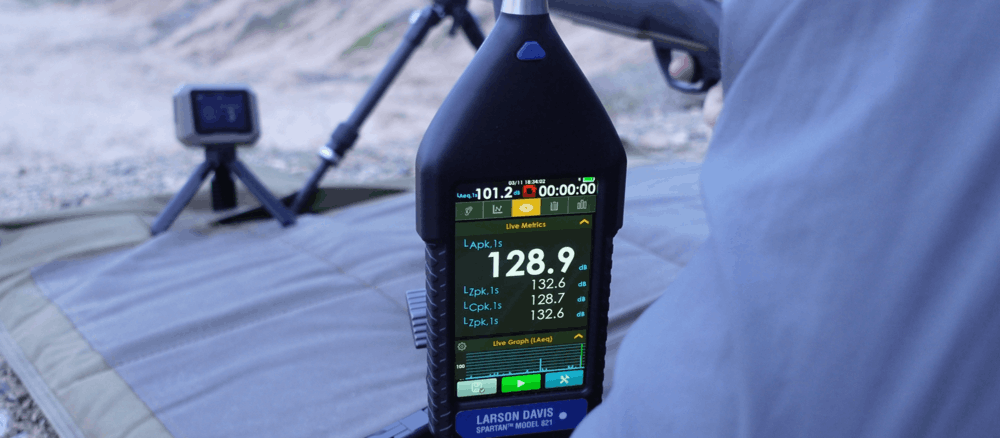
While we tested these suppressors on a bench (see the below video for all the details), we also tested each of these in the field, in real-world hunting conditions, on hunting trips. For our range-day testing here are the steps we took to gather our data:
- Sound Suppression: We borrowed a Larson Davis Spartan 821 sound meter and compiled a 5-shot logarithmic average for each suppressor, and compared that to the average decibel reading without a suppressor, as well as with a muzzle brake.
- Bullet Performance Impact: We tracked and charted all of our shots with the Garmin Xero Chronograph and compiled that data to see what impact each suppressor had on bullet velocity, standard deviation, and extreme spread,
- Real World Hunting: We took these suppressors on multiple hunting trips, including backcountry hunts where weight, maneuverability, and system balance matter.
The full spreadsheet of the results is available for download in our Backcountry Library. Simply become a Backwoods Pursuit Member (totally free) and you’ll have access to that and other data we’ve compiled for our reviews.
Test Results – Best Suppressors for Hunting – Compared
After some time at the range, in a controlled environment, we compiled the results from our above-noted test points before hitting the field for some real-world use and testing.
| Banish Backcountry | Airlock Zero Gravity 6.5 | Gunwerks 6ix Ti | Gunwerks 6ix+ Ti | Gunwerks 8ight Ti | |
|---|---|---|---|---|---|
| Point of Impact Change | 2.8 in | 3.6 in | 3.9 in | 4.1 in | 4.1 in |
| AVG Velocity Change | +5.5 fps | +10.3 fps | +23.1 fps | +21.9 fps | 20.1 fps |
| Standard Deviation Change | +12.8 fps | +12.8 fps | +4.7 fps | +3.0 fps | -0.6 fps |
| Extreme Spread Change | +35.5 fps | +2.1 fps | +40.5 fps | +10.5 fps | +11.7 fps |
| Group Size Change | +1.48 in | +0.64 in | +2.15 in | +0.50 in | +0.19 in |
| Noise Reduction | -21.9 dBs | -28.9 dBs | -19.3 dBs | -20.2 dBs | 23.3 dBs |
| Recoil Reduction | 3rd Best | 3rd Best | 3rd Best | 2nd Best | Best |
Armed with the above data points, you should be able to narrow down which of these is the best suppressor for your particular needs, however, these five are just a small sample of what’s on the market.
full video review of these 5 suppressors

Real-World Hunting Test Results – Best Suppressors For Hunting
In a hunting situation, the best suppressor is likely going to mean prioritizing a smaller, more compact size and lighter weight, and those things make a big difference. Because of that, and due to the incredible performance of the Airlock Zero Gravity, it tops the charts in those critical areas that are important to hunting. That being said, depending on the caliber you are shooting, prioritizing recoil reduction might be extremely important (particularly on larger magnum calibers), so the extra size and weight of the Gunwerks 8ight Ti just might be worth it.
On last year’s elk hunt I paired the Gunwerks 6ix+ Ti with my Gunwerks Nexus chambered in 7PRC, and that combination was amazing. I was able to achieve sub-0.25 MOA groups, and because that Nexus rifle is a bit heavier, I didn’t need the extra recoil reduction provided by a larger suppressor, but as noted above, this wasn’t the best suppressor in terms of sound suppression.
Last fall I had the Gunwerks 8ight Ti mounted on my Bergara MgMicro Lite chassis rifle chambered in 6.5 PRC for many of my hunts last year. For that setup I really wanted the most recoil reduction I could get because of it being a lightweight setup. With that rifle having a folding stock, managing the longer suppressor wasn’t too bad, but it’s is noticeably longer and heavier than the others we tested.
I more recently picked up the Airlock Zero Gravity, and plan to use and test that more extensively on hunting trips, but based on these test results at the range, this little gem was easily the best suppressor in the sound suppression category, so I expect to be impressed with its performance, and I welcome the smaller size and lighter weight.
Conclusion – Best Suppressors Comparison & Review
At the end of the day, finding the best suppressor for your needs means you have to decide what you are going to use a suppressor for. If you are going to be shooting a lot of rounds in a shorter period of time or plan to participate in some matches, you’ll want to go with a larger suppressor that can handle the volume. If you are building an ultralight rifle, and need to keep things as compact and ultralight as possible, a smaller suppressor like the Airlock Zero Gravity is the way to go.
If you find yourself somewhere in the middle, I really like the performance of the Gunwerks 6ix+ Ti as it offered only slightly less recoil reduction than the Gunwerks 8ight Ti, but noticeably more than the Banish Backcountry, the Gunwerks 6ix Ti, or the Airlock Zero Gravity.
There are downsides, sure—added length, balance changes, heat retention, and regulatory red tape—but none of them outweigh the real-world benefits suppressors provide in my humble opinion.
Subscribe to Backwoods Pursuit to get Your FREE Backcountry Gear Worksheet!!!
Dial in your gear list, calculate your pack weight, and lighten up your pack with this handy tool!

Member Profile